Limits of Current Standards
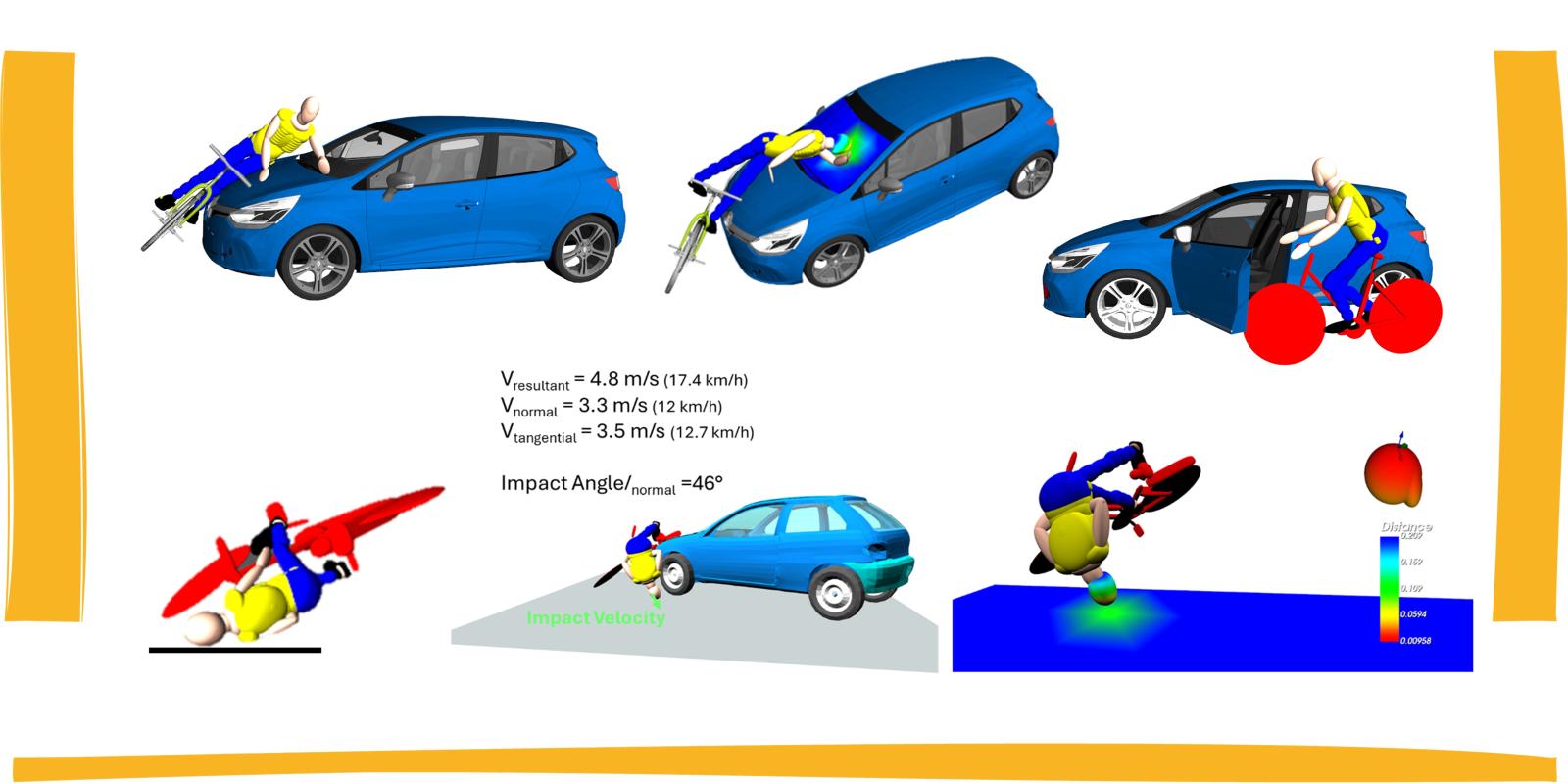
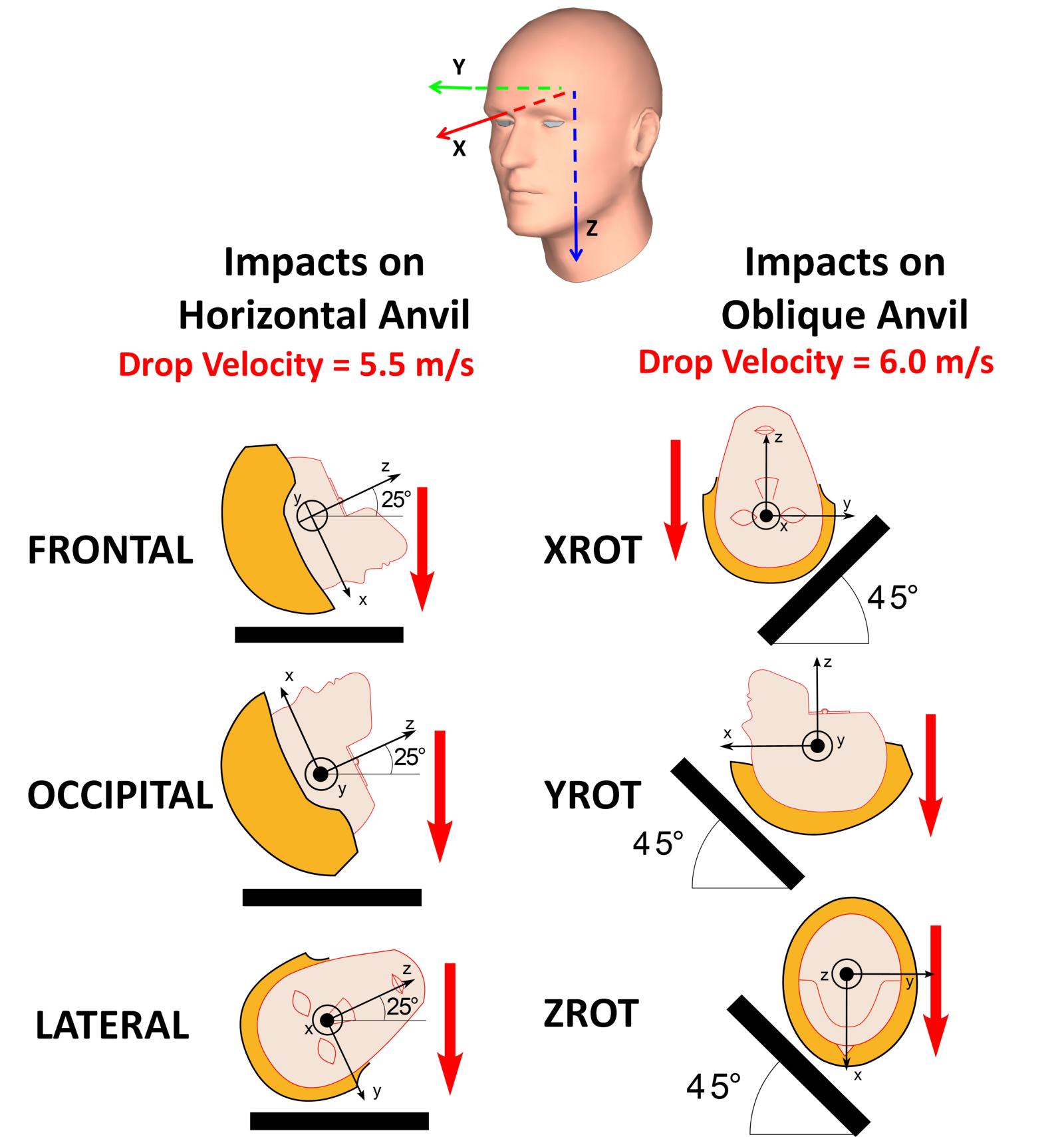
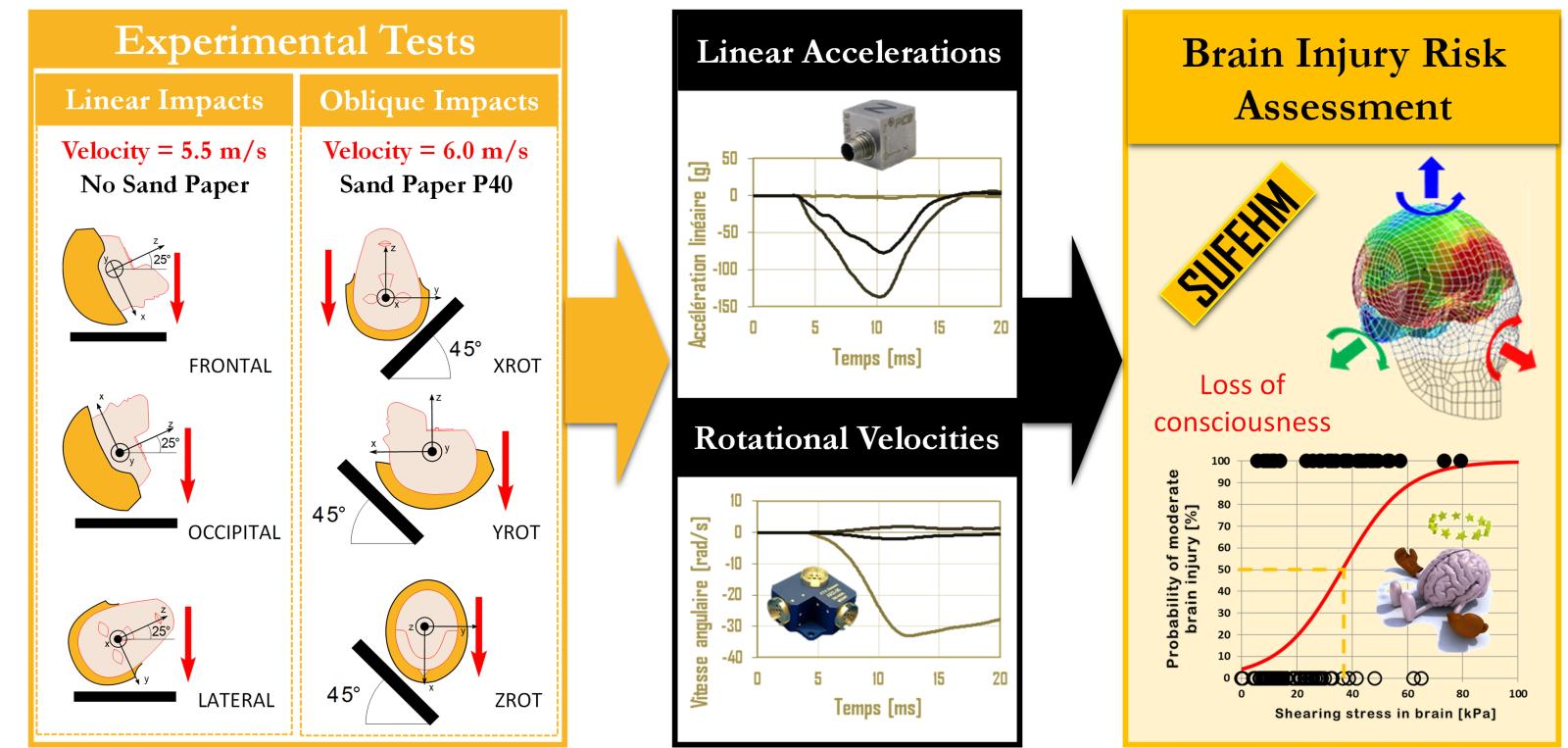
Current bicycle helmet testing standards evaluate only linear impacts, meaning impacts that are perpendicular to the impact surface. However, in real-world accidents, oblique impacts occur very frequently, for example when the head strikes the road surface with a horizontal velocity component. Certimoov has integrated these oblique impacts into its test protocol in order to better represent real accident conditions.
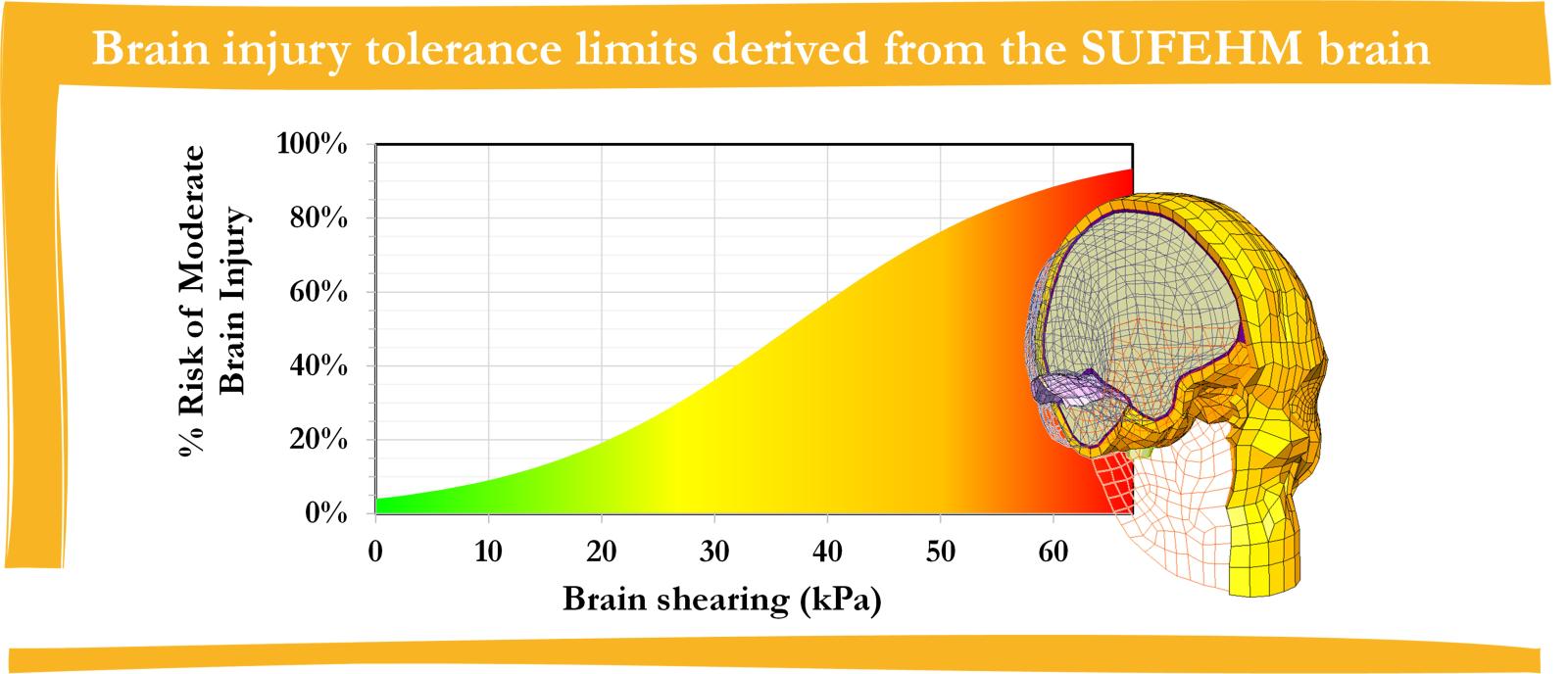
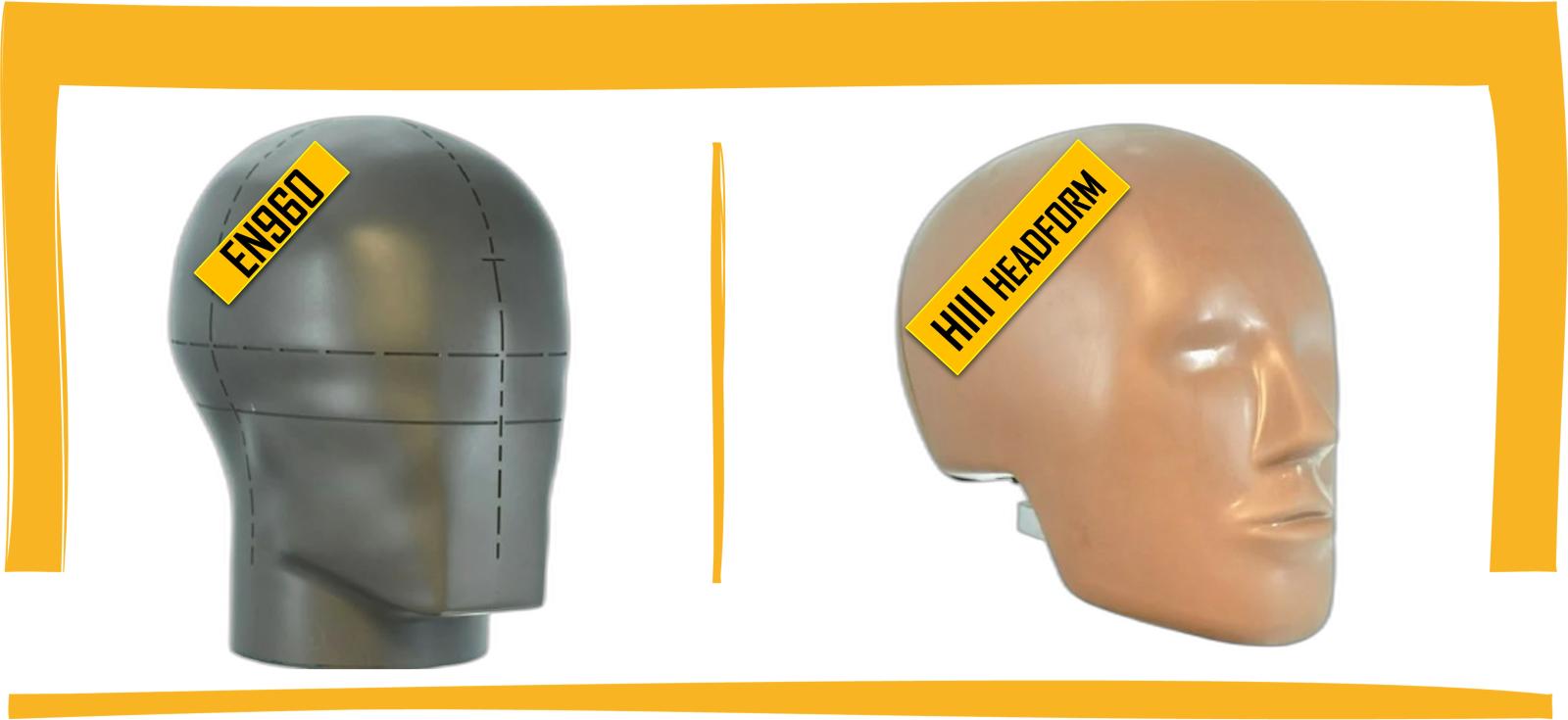
Even today, the European standard relies on an acceptance criterion based on acceleration measured using a rigid headform. This type of device does not accurately reproduce the behavior of the human brain and remains poorly representative of its true impact tolerance limits. Certimoov, by contrast, uses a more advanced instrumented headform combined with a mathematical model of brain behavior derived from the analysis of several hundred real-world accidents. This approach enables biomechanical engineers and Certimoov to apply more realistic injury criteria, consistent with the brain’s actual tolerance to impact.
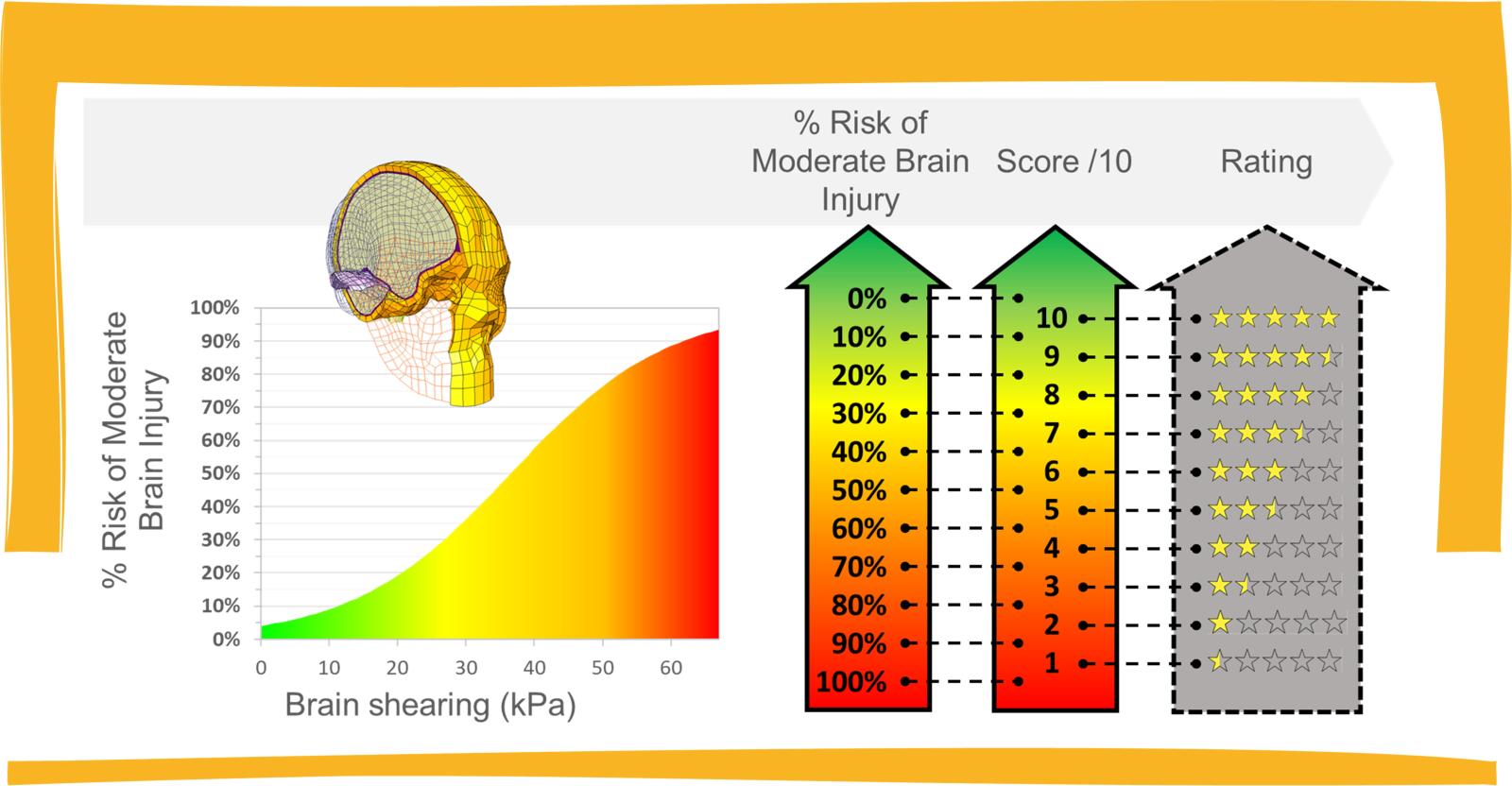
Finally, while current standards rely on a binary acceptance criterion — a helmet is either compliant or non-compliant — Certimoov introduces greater nuance by providing a graded evaluation system, with a score ranging from 0.5 to 5.